
Research visit to Australia, Week 1: Sydney
As part of my PhD Fellowship, I recently went on a research visit to Australia, where I spent three weeks visiting different cities to learn about Australia’s approach to emergency care for young people who self-harm. My first stop was Sydney – a beautiful city with impressive views and lots of inspiring people dedicated to helping young people through their clinical work and research.
My first visit was the Youth Brief Intervention Service (YBIS) in Bondi. This team supports young people aged 12-25 who are going through a mental health crisis, bridging the gap between emergency and long-term care. Instead of waiting weeks to see someone, young people are usually seen within three days of referral. They’re offered four quick sessions (sometimes more) to help them feel safe, learn coping skills, and connect them with longer-term support. Some of these sessions are in person, and others are online, making it more accessible and flexible.
One of the things that really stood out was the value of having peer workers in the team. These are people with lived experience of mental health struggles who work alongside professionals. Young people told us that talking to someone who “has been there” makes a big difference. It helps build trust – and means they don’t have to explain everything from the beginning.
I presented the EmCASH project at the University of New South Wales’ Grand Round, with a focus on the realist approach, the real people I am lucky enough to work with (the fantastic advisory groups of young people and parents and caregivers), and our plans for real world impact. The audience agreed that the research was important, and they asked lots of thought-provoking questions
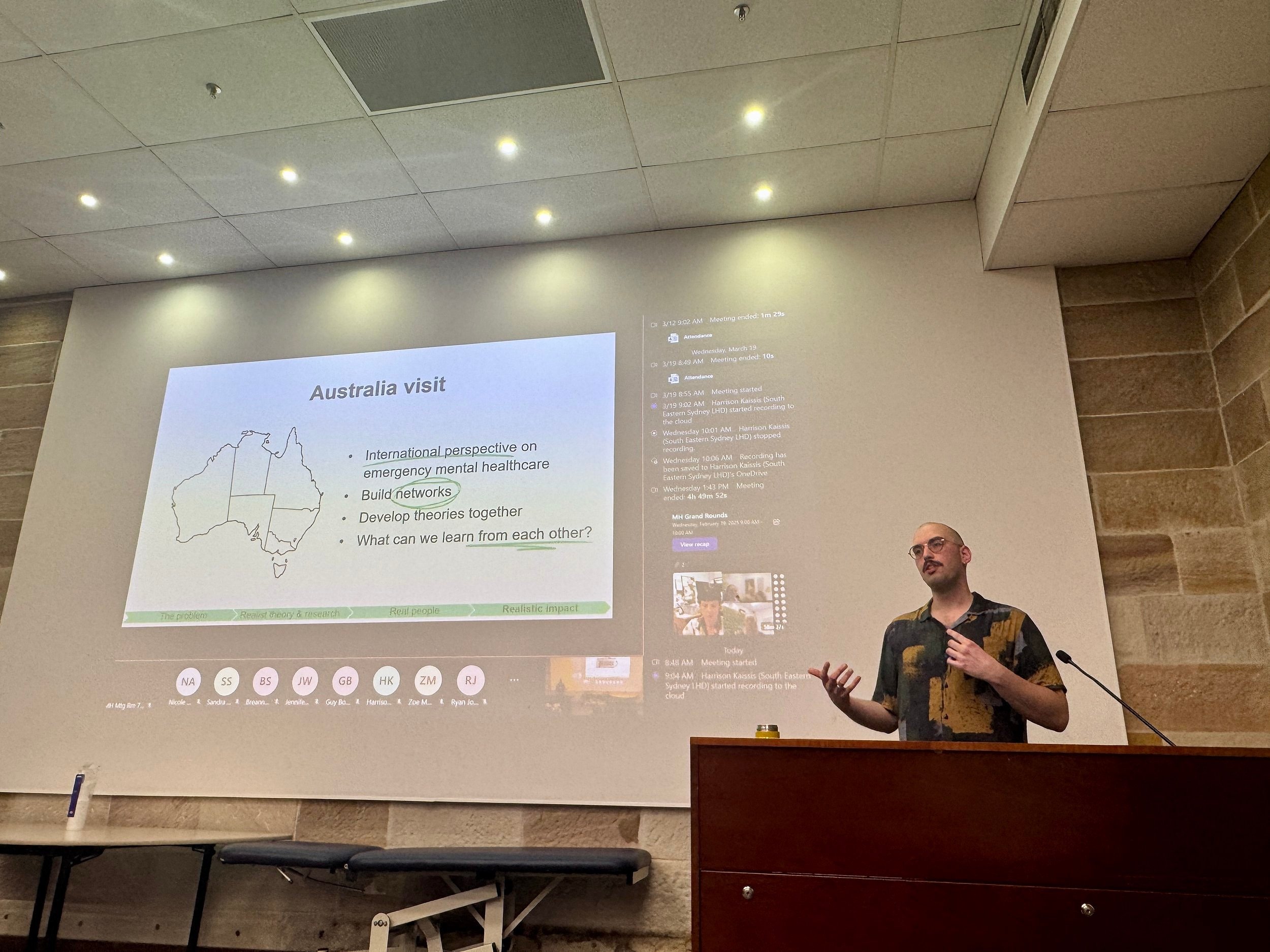
Me presenting at the University of New South Wales’ Grand Round
I also visited emergency departments and saw how design matters. One mental health unit called a Psychiatric Emergency Care Centre (PECC) had big windows, soft piano music, culturally diverse art, and plants. It felt calm and welcoming – very different to the usual chaos of A&E! Staff there have mental health training and work closely with hospital and community teams to make sure care is timely and joined up.
Later in the week, I met with researchers at Western Sydney University and learned about new suicide prevention projects like SMS-SOS (text message support after suicide attempts) and SPOTs (suicide prevention outreach teams). These services sound promising – but many haven’t been evaluated properly yet. Australia has lots of new ideas, but we still need to learn whether they truly help (and how we should measure whether something “helps”).
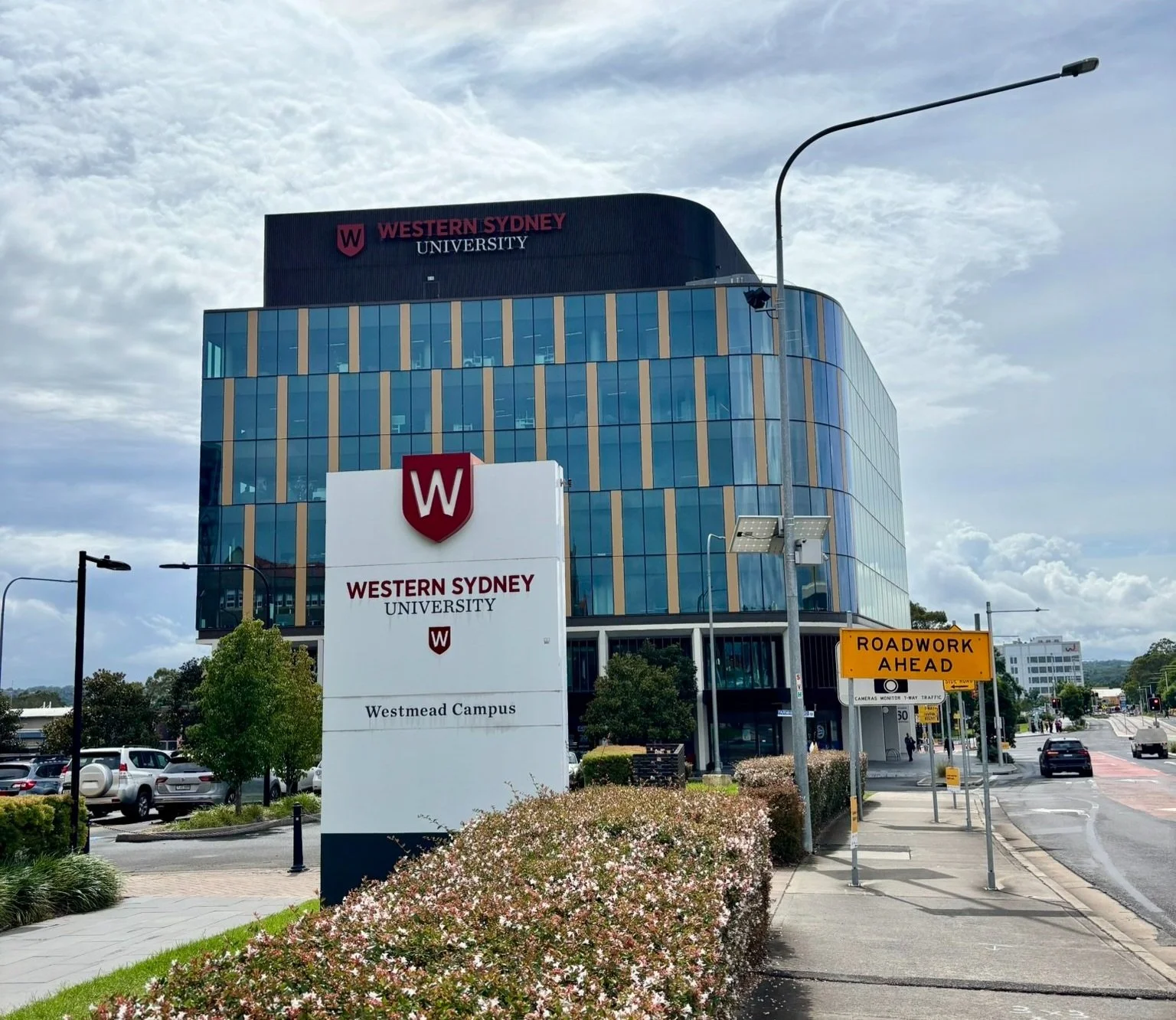
Western Sydney University
Finally, I visited headspace – a national youth mental health service offering support for things like anxiety, relationships, or drugs and alcohol. They take a "no wrong door" approach, which means young people can just walk in and ask for help. They focus on saying “yes” rather than turning people away, and they work closely with other services to meet young people’s needs. Peer workers, youth advisors, and quick responses to high-risk referrals all help make the service more youth-friendly.
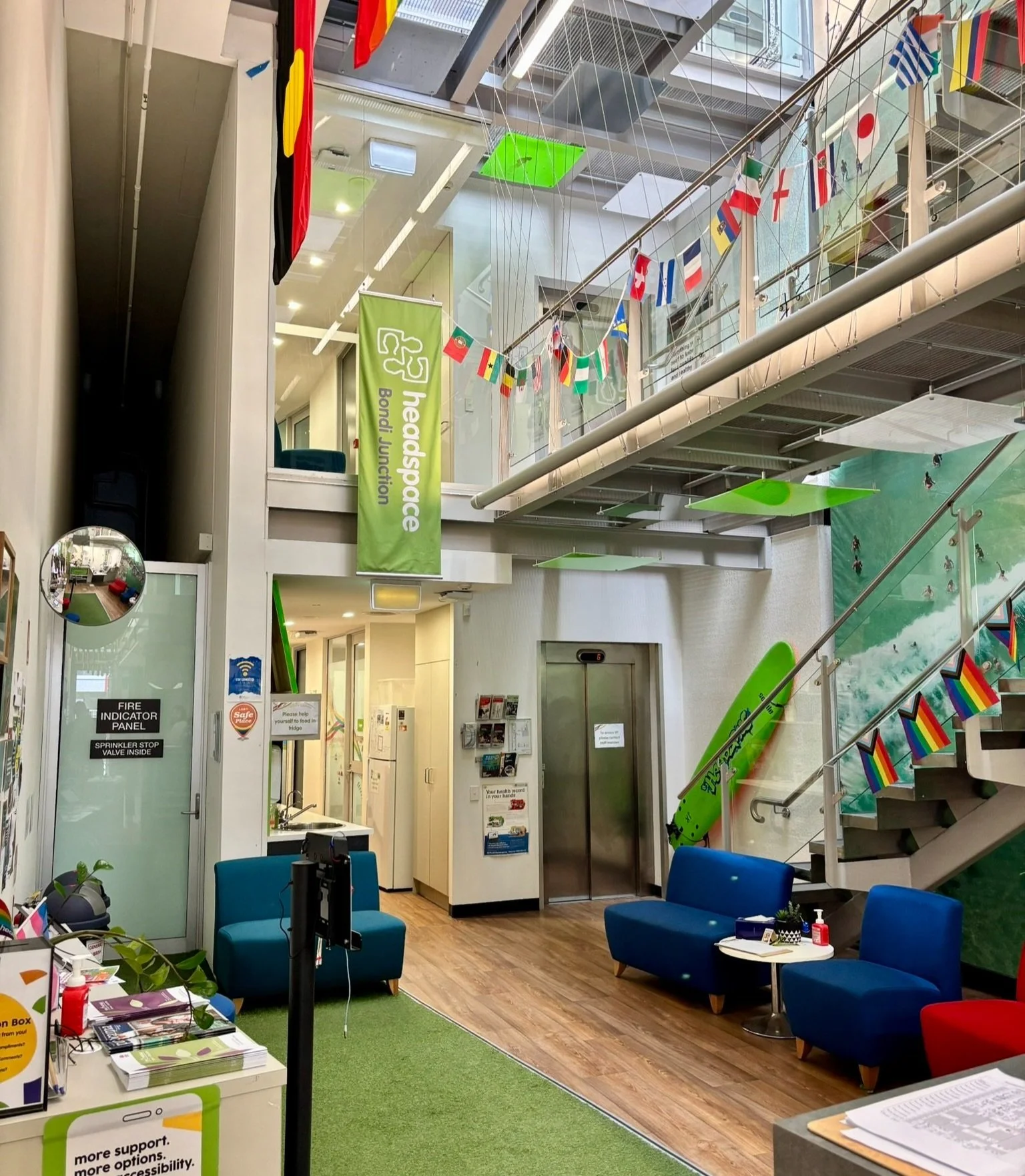
headspace, Bondi Junction
Australia faces similar challenges to the UK when it comes to youth mental health care. Services are stretched, with limited funds and huge demand, and there are gaps – especially in support for young people who have experienced sexual assault. But there’s a clear commitment to listening to young people, acting quickly, and making services feel safe and welcoming.
Sydney gave me a lot to think about. I left with new ideas, stronger research connections, and a real sense of hope. Thank you to the wonderful teams who hosted me and took the time to answer all my questions!
Dan :)